
The Ecosystem Architect: The Gujarat Playbook
Capital can buy a factory. Only an ecosystem can build a legacy. Dr Sunil R Parekh talks to Amishi Mehta on how the state became the global model for success.
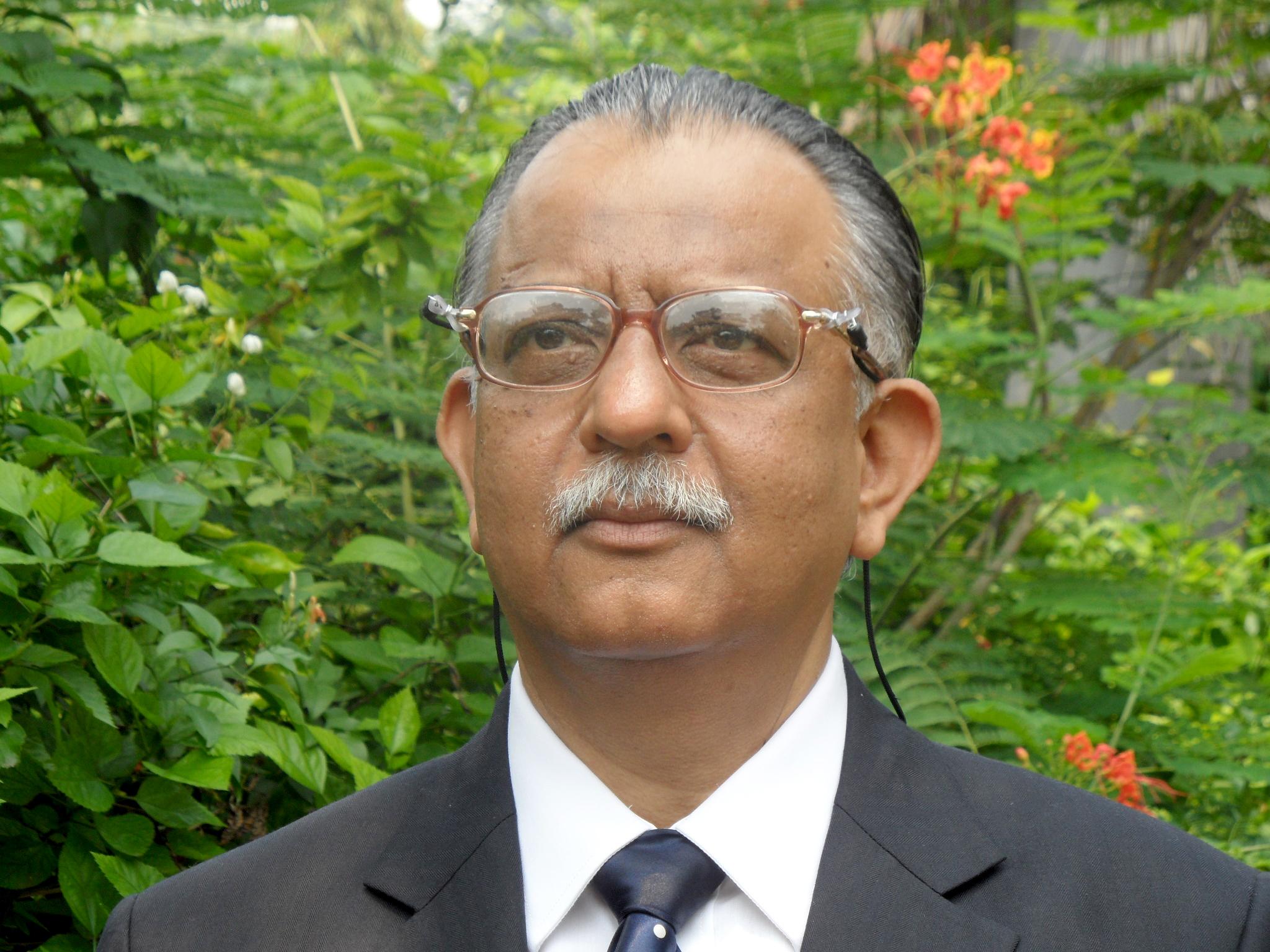
Dr Sunil R Parekh
You know it. It's Gujarat. It's the classic success model. But one thing is clear: this state doesn't just host industries; it builds them. We are watching a new chapter unfold. One that has transformed India's economic landscape. Repeatedly. Now, the state is using that proven template for the most complex sector in history: semiconductors.
Dr Sunil R Parekh, a distinguished industry veteran, contextualises this. It's not a gamble, It's an evolution. It's Gujarat's industrial DNA in action. He argues the history is clear. The state establishes pioneering industries. How? Anchor investments. Substantial incentives. Quality infrastructure. This approach works. It catalyses the entire value chain. Every one wins.
The Architecture of Legacy
The blueprint is proven. Parekh points to the milestones. The Alang shipbreaking industry. The auto sector started with the Tata Nano project. The massive petroleum refineries established a chemical foundation, paralleling the auto sector's rise to global prominence. These giants contributed to the development of downstream sectors. Fertilisers. Pesticides. Pharma. Paints. Even the textile looms were powered by local cotton. The cooperative prowess of Amul was evident. Parekh observes that this same ecosystem approach is being applied to semiconductors. The anchor investment attracts the suppliers. The suppliers attract the support industries. A complete ecosystem materialises.
Engineering Abundance
Semiconductors are unforgiving. They demand precision. Parekh compares the industry to the chemical sector, requiring "large quantities of both extremely reliable power and water of ultra-high purity." Gujarat values its resources. The government is paying "special attention to details." Success is the only option.
Look at the Dholera Special Investment Region (SIR). The infrastructure is live. Water treatment. Sewage treatment. Common Effluent Treatment Plants (CETP) are operational. The facility includes a 300 MW solar park, already completed and ready. The progress in Sanand GIDC matches this momentum. Infrastructure is upgrading fast. Parekh cites a prime example: a September 2024 tender to "redesign storm water drainage". Why? He is emphatic. Gujarat is "not just giving subsidies on paper"; it is building the physical foundation for success.
The Strategy of Confidence
Confidence is high. Investors feel it. Parekh reveals a massive strategic move: the state requested a grant of over ₹40,000 crore from the Union government. This is not a piecemeal request; it is a proactive move to "fund development of industrial infrastructure—utilities, logistics, security specifically to meet global-scale semiconductor manufacturing demands." Then there is the Gujarat Semiconductor Policy 2022-27. High-quality water at ₹12 per cubic metre for five years. Land at concessional rates. Power subsidies. The policy is designed to derisk every aspect of the investment.
The 28nm Victory
Concrete helps. But strategy matters more. The world races for single-digit nanometres, but India is smart. We are starting with 28 nm chips. Why? As Minister Vaishnaw confirms, "This type accounts for over 60 per cent of India's needs." It is the volume game. It is a strategic win, capturing 60% of the market volume rather than chasing the bleeding edge. It is "a good way to usher in the industry." The anchor is dropped. The ecosystem is rising. Gujarat is ready to lead.
The Engineered Miracle
This is how you build a self-reliant future. Gujarat has changed the way things are done by combining strong financial support—like subsidies for land, power, and water—with protection for infrastructure. By fixing drainage systems and securing power grids before the first machine is installed, the state has removed the risk from the equation. It has replaced uncertainty with a plug-and-play ecosystem. The strategy is clear: de-risk the investment, secure the operations, and catalyse the value chain.
Strategy Note
- 1.Legacy as Leverage: Use the proven "Anchor Investment" model. It built Auto. It built Pharma. Now it builds Silicon.
- 2.Proactive Governance: Fix risks early. Secure grants ahead of demand.
- 3.Ecosystem Readiness: It's parallel processing. Build the factory. Build the water supply. Build the advisory board. All at once.