$161
Brent Crude · 3 March 2026
"This is not a crisis. This is a starting gun. The Sovereign Electron era begins now."
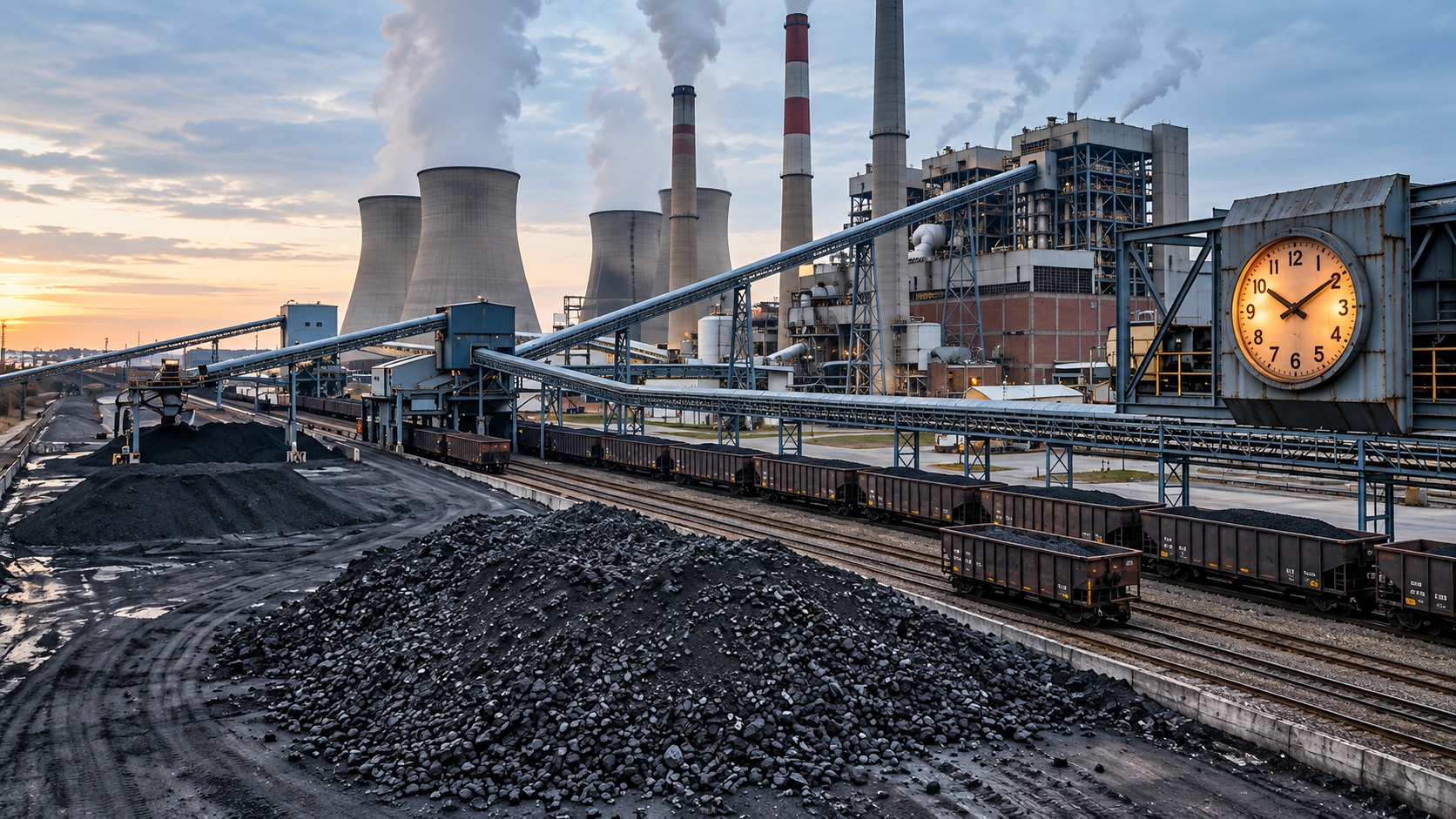
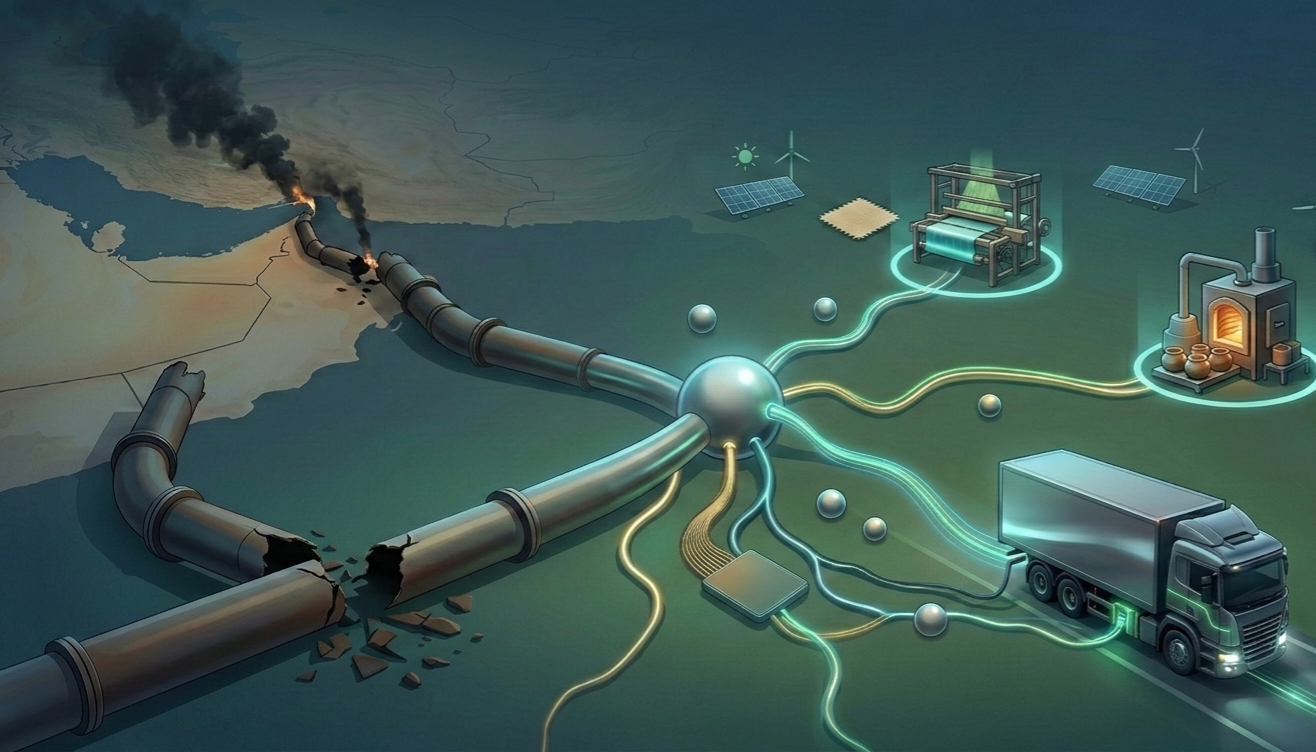
The plumes of smoke over the Persian Gulf are the starting gun for India's next industrial chapter. As of March 3, 2026, the escalation in Iran has pushed Brent crude to a searing $161. Far from a signal of collapse, this is an unparalleled opportunity for acceleration towards the Sovereign Electron. This current volatility is the final nudge. It propels India from a petro-dependent economy into a self-sustaining industrial powerhouse.
For decades, the Indian industrial machine operated on a fragile premise. We assumed the 21-mile-wide Strait of Hormuz would remain placid forever. That illusion shattered on February 28. In its place rises a resolute drive for energy autonomy. This transition is fast-tracking "Make in India" into the most resilient supply chain on the planet.
The Math of the Great Pivot
The arithmetic in our boardrooms changed overnight. India imports 85% of its crude, and 60% traditionally transits the Gulf. Before this catalyst, India achieved a landmark: 51% of our installed power capacity is now non-fossil. We are not starting from zero. We are starting from a position of profound strength.
Logistics as a Strategic Asset: Diesel accounts for 70% of Indian road freight costs. With prices hitting record highs, the opportunity cost of inertia has vanished. We see a 4x acceleration in long-haul LNG and EV heavy-duty trucks. The logistics sector is bypassing the barrel in real-time.
The MSME Shield: In clusters like Ludhiana and Morbi, the 35% jump in grid costs is met with brilliant, proactive adaptation. Units operating on 8–12% margins realise solar isn't "green PR." It is a survival hedge, locking in predictable energy costs for two decades and securing future competitive advantage.
The SPR Bridge: Our Strategic Petroleum Reserves (SPR) currently stand at 74 days of coverage. This is our stable cushion. It provides the necessary space to stabilise the immediate shock while the private sector retools for a post-petroleum reality.
The Solution: The National Industrial Microgrid Mandate (NIMM)
The most incisive move is to stop securing the global barrel. We must start securing the domestic electron. We propose the National Industrial Microgrid Mandate (NIMM). This aligns perfectly with the existing Green Open Access Rules, which already lowered the threshold for renewable purchase to 100 kW. We are simply hitting the hyper-drive on established, successful policy.
The Strategy
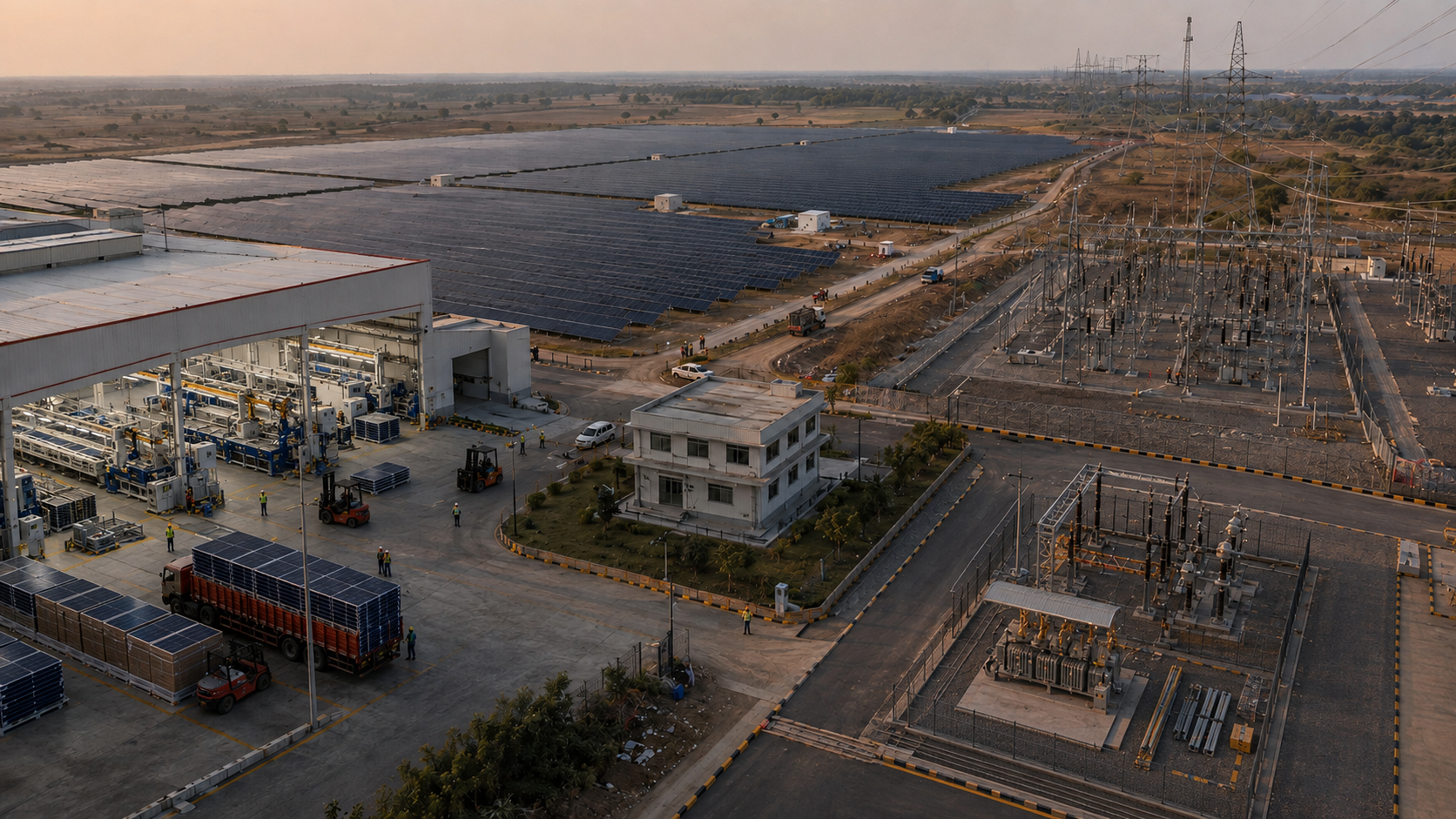
Mandatory Industrial Solar: Pivot the PM Surya Ghar momentum from residential to industrial. Mandate 100% onsite solar for every facility above 5,000 sq. ft. by Q4 2026. This is now a strategic national priority.
Open-Access Liberation: The 2022 rules capped cross-subsidy surcharges. We must now rationalise these completely. A factory in Pune should source wind power from Gujarat with zero friction.
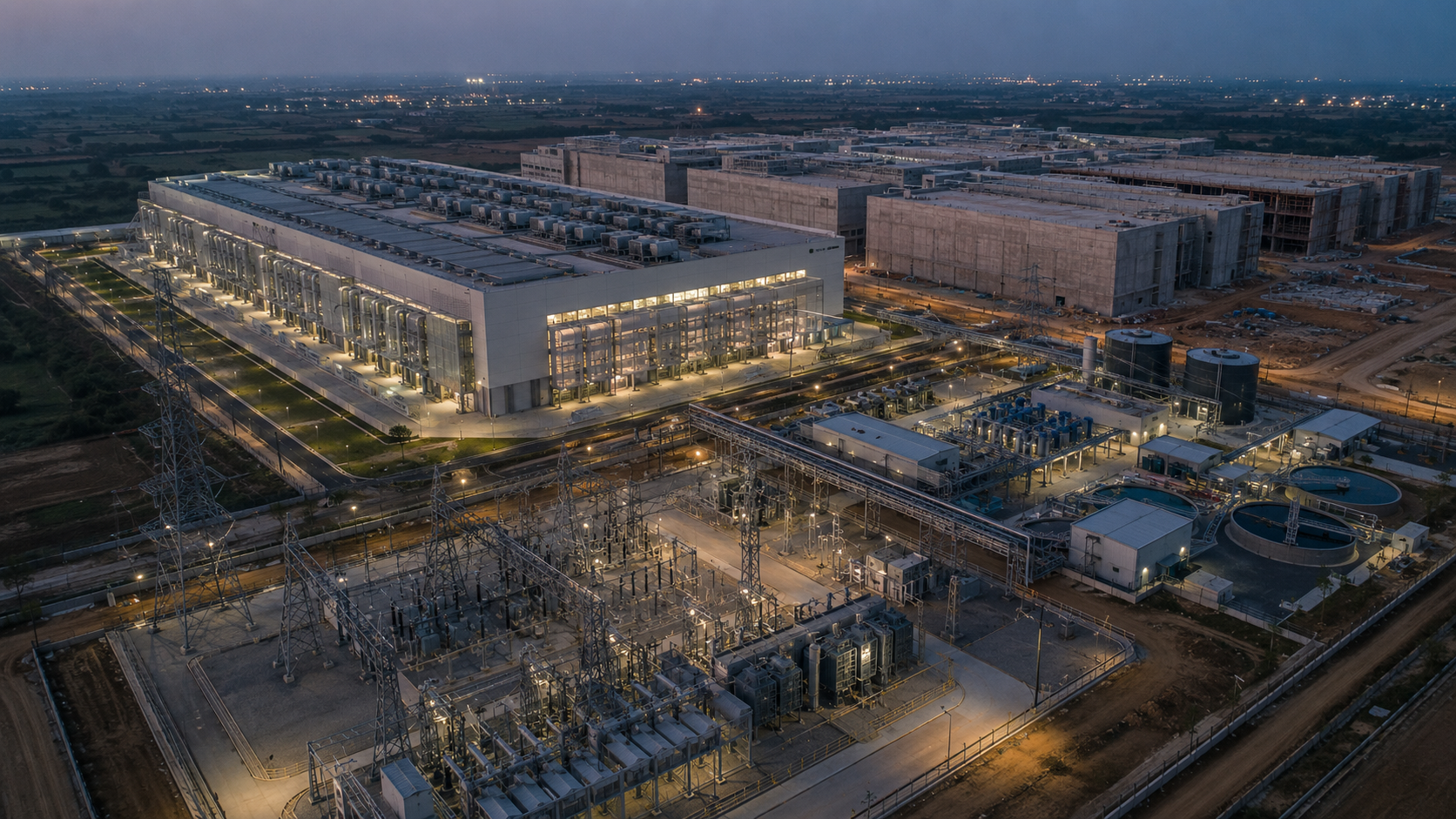
The BESS Sovereign Pivot: Redirect the ₹18,100 crore PLI for Advanced Chemistry Cells. Move the focus from "EV passenger cars" to "Industrial Battery Storage" to support this industrial microgrid transition.
The Strategic Logic
NIMM directly unlocks competitive advantage by securing predictable margins. When a factory generates and stores its own power, its Cost of Goods Sold (COGS) becomes a fixed domestic asset. It is decoupled from global geopolitical volatility. This creates a powerful structural cost advantage. Indian exporters will be positioned to outperform global competitors who remain tethered to the volatile oil market. We are not just navigating $160 oil; we are using it as a catalyst to outpace the world.
The Governance Mandate: A Roadmap to Implementation
The Government is well-positioned to move from mitigating immediate challenges to proactively financing the future. The policy direction is already set; we only need to streamline state-level implementation.
The Implementation Roadmap
Fiscal Incentives: Optimise the current energy support regime. Implement 100% accelerated depreciation for industrial BESS and microgrid hardware in year one.
Regulatory Uniformity: Launch the "One Nation, One Grid, Zero Tax" policy. Permanently waive inter-state transmission charges (ISTS) for any export-oriented manufacturing unit.
Infrastructure Implementation: Convert Dedicated Freight Corridors (DFC) into Electric Highways by Q1 2027. Use the Central Road and Infrastructure Fund (CRIF) to build high-capacity EV charging hubs every 50km.
Leadership Opportunity
This is the moment for decisive boardroom leadership. The concept of energy "security" based on distant supply chains is being replaced by energy sovereignty—the unparalleled advantage of generating and storing power within your own operational footprint.
Forward-thinking companies are already re-deploying CAPEX towards energy autonomy today. They are shifting focus from geographical expansion to securing their operational margins. In this new era, the most valuable commodity is not the barrel. It's the electron you own.
Key Takeaway
The conflict in Iran is the final catalyst for the Petroleum Era in India. We are entering the Indian Electron Era. Our growth is no longer a hostage to global geography. It is a product of our own innovation and our own sun. The roadmap to 2035 has been fast-tracked.
Rishi Vora
Editor & Publisher, India Front
Rishi Vora is the Editor and Publisher of India Front, India's premier thought-leadership magazine. He writes on energy, industrial policy, and India's strategic economic position.